hrishikesh kn

Automobile Engineer specializing in electric powertrain retrofits, prototype development, and product design. Proficient in CAD modeling, validation, and intelligent mobility systems, with hands-on experience in CATIA V5 and SolidWorks.

Résumé, links and contact below

About

Automobile Engineer specializing in electric powertrain retrofits, prototype development, and product design. Proficient in CAD modeling, validation, and intelligent mobility systems, with hands-on experience in CATIA V5 and SolidWorks.

Proven ability to develop functional mobility prototypes and support design validation activities. Seeking opportunities in Product Development, Mechanical Design, and Automotive R&D.

Education

B.Tech in Automobile Engineering

Hindustan Institute of Technology & Science

Skills

CATIA V5

✦

SolidWorks

✦

3D Part Modelling

✦

Assembly Design

✦

Engineering Drawings

✦

Product Development

✦

Mechanical Design

✦

Reverse Engineering

✦

Design Validation & Testing

✦

English

✦

Tamil

✦

Malayalam

✦

Hindi

✦

Kannada

✦

Things I have built

Advanced Rider Assistance System (ARAS)

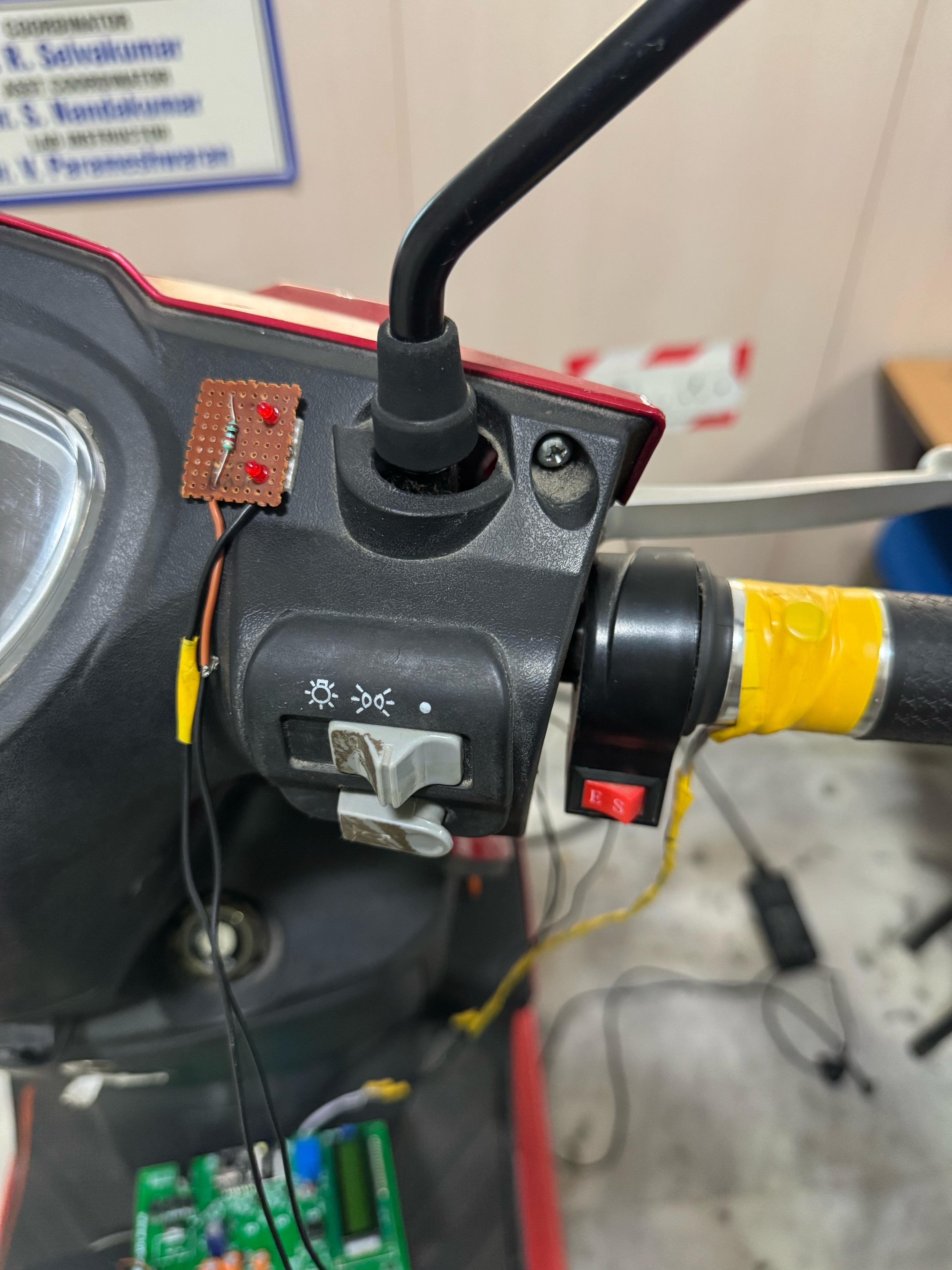
Developed motorcycle safety systems integrating ultrasonic sensors, RFID ignition control, helmet compliance detection, and blind-spot monitoring.

ultrasonic sensorsRFID

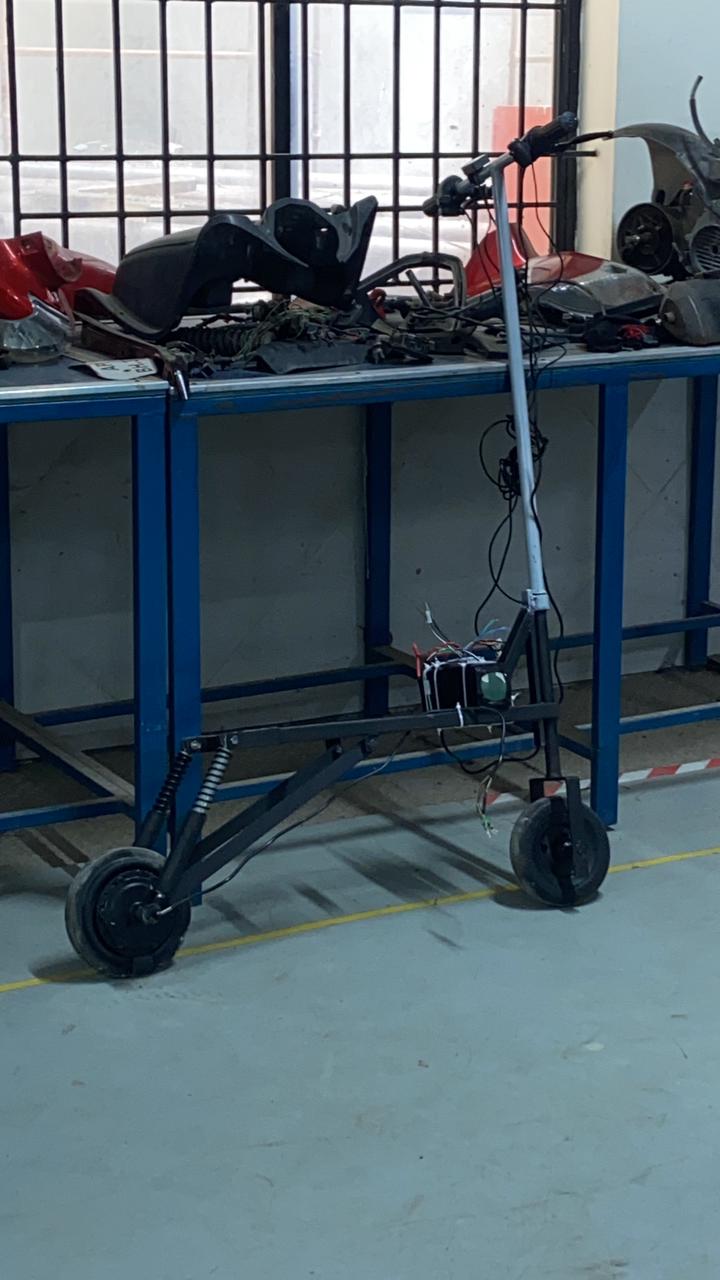
Electric Kick Scooter

Designed and developed a 350W electric scooter optimized for Indian road conditions with 30 km range and 150 kg payload.

electric scooter designelectric vehicle design

AIR Top

Engineered an aerodynamic roof box with integrated micro-turbine fans for energy generation.

micro-turbine fansaerodynamics

Electric Marine Propulsion Retrofit

Developed a prototype electric propulsion setup replacing Suzuki DT15A outboard engines using 10 kW motor systems.

electric propulsion10 kW motor systems

Case studies

Aero Charge
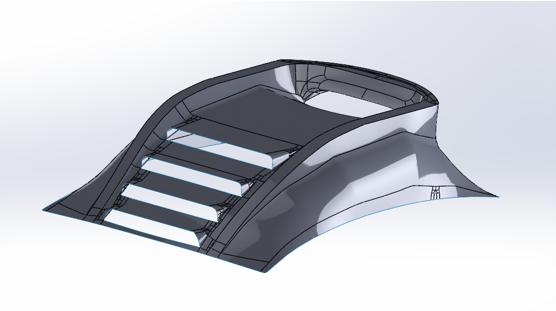
Problem Electric vehicles are environmentally friendly, but they still face several challenges such as limited driving range, lack of charging stations, battery degradation, and expensive repairs. During long trips, drivers often worry about running out of charge or finding a place to recharge. There is also a growing need for sustainable ways to generate additional power while the vehicle is moving. Solution Aero Charge is an aerodynamic roof box that uses small wind turbines to generate electricity from the airflow created when the vehicle is in motion. The generated energy is stored in an onboard battery and can be used to power accessories such as dashcams, lights, sensors, and emergency equipment. The system is lightweight, eco-friendly, easy to maintain, and can be further enhanced with solar panels for even greater efficiency. Process When the vehicle moves, air flows through specially designed inlets in the aerodynamic roof box. The built-in micro-turbines rotate using this airflow and convert the wind energy into electrical energy. This electricity is stored in a lithium-ion battery inside the box. The stored power is then used to operate low-power devices and auxiliary systems, reducing dependence on the vehicle's main battery while promoting sustainable energy use.

Case study

E-Skoot

Problem Many electric kick scooters available in India struggle with rough roads, potholes, and uneven surfaces. They often lack enough power, durability, and range for daily commuting in Indian conditions. Solution We developed an electric kick scooter powered by a 350W motor, specifically designed for Indian roads. The scooter provides better stability, sufficient torque for city riding, low operating costs, and an eco-friendly alternative for short-distance travel. Process The scooter uses a 350W electric motor connected to a rechargeable battery pack to drive the rear wheel. The frame and suspension were designed to handle uneven roads and daily usage. Components were selected for easy maintenance, efficiency, and rider comfort, making the vehicle practical for urban transportation.

Case study

Advanced Rider Assistance System

Problem Motorcycle riders face risks such as blind spots, riding without helmets, and overspeeding in sensitive areas like schools and hospitals. Existing systems often address only one issue and do not provide a complete safety solution. Solution We developed an integrated motorcycle safety system that combines blind spot detection, AI-based helmet detection, and geo-fenced speed alerts. The system uses ultrasonic sensors, vibration motors, an ESP32 camera, and RFID technology to improve rider awareness, encourage safe riding habits, and reduce accidents. Process Ultrasonic sensors continuously monitor the motorcycle's blind spots and activate vibration alerts when vehicles are detected. An ESP32 camera and machine learning model verify whether the rider is wearing a helmet before operation. RFID-based geo-fencing detects restricted zones and warns riders to maintain safe speeds in areas such as schools and hospitals.

Case study

Regenerative Suspension System using Piezoelectric Material

Problem Electric vehicles lose a large amount of energy through suspension vibrations caused by uneven roads, while range anxiety remains a major concern for EV users. Solution We developed a regenerative suspension system using PVDF piezoelectric material to convert suspension vibrations into electrical energy, providing supplementary power for low-energy vehicle electronics. Process A quarter-car suspension model was designed and simulated in MATLAB/Simulink. Road vibrations create stress on the PVDF material, generating electrical charge that can be stored and used to power sensors, dashcams, and other auxiliary devices.

Solar-Integrated Dual-Tone Roof for Electric Vehicles

Problem EV owners still depend heavily on charging infrastructure, and auxiliary systems consume valuable battery energy, reducing driving range. Solution We designed a dual-tone roof with integrated flexible solar panels that generate electricity while the vehicle is parked or in motion, extending vehicle range and reducing external charging requirements. Process Flexible solar panels are seamlessly integrated into the roof structure and connected to the battery through an MPPT charge controller and DC-DC converter. The generated energy supports auxiliary loads and supplements the main battery system.

AI & ADAS-Enabled Smart Traffic Light System

Problem Traffic congestion at intersections is often caused by human reaction delays when vehicles begin moving after a signal turns green. Solution We proposed an AI-powered traffic light system that communicates with ADAS-equipped vehicles to provide early movement alerts, improving traffic flow and reducing congestion. Process AI cameras monitor vehicle queues and detect when the lead vehicle starts moving. Through vehicle-to-infrastructure communication, following vehicles receive alerts or assistance signals, minimizing start-up delays and increasing intersection efficiency.

Experience

2025 - Present
Project Development Executive
Zazen Systems

Designed and developed mechanical components and assemblies for electric propulsion retrofit projects using CAD tools. Created 3D models, assemblies, and engineering drawings for prototype development and fabrication. Performed packaging and fitment studies to ensure proper integration of motors, batteries, controllers, and supporting structures. Conducted reverse engineering and design modifications based on testing and project requirements. Supported prototype assembly, validation, and performance evaluation activities. Optimized propulsion system layouts and component integration to improve efficiency, reliability, and manufacturability.

CAD toolsmotorsbatteriescontrollerspropulsion systemreverse engineering
2024 - 2024
Manufacturing & Quality Intern
Lucas TVS
2023 - 2024
Service Intern
Motorage Automotive
2025 - 2025
Vehicle Diagnostics Intern
Fortune Motors

Certifications

Let’s make something good.

hrishikesh kn